Featured

Table of Contents
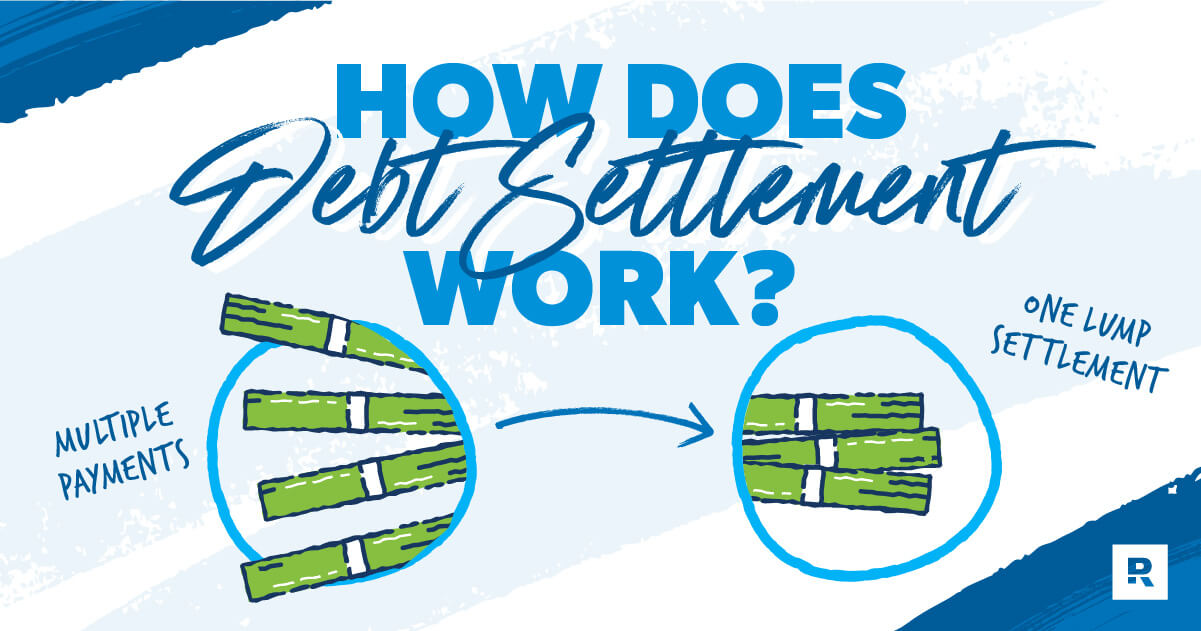
That maximizes money in the short-term, and you may have 3 to 4 years to save towards the settlement amount. Very unsafe to credit rating, mainly because of missed out on settlements and an unfavorable "settled" mark that might remain on your debt record for as much as seven yearsMay be only alternative if various other choices (financial obligation combination, equilibrium transfer charge card, financial debt mercy) aren't possibleTypically requires a fee to the 3rd party, which might counter some or every one of the financial savings from debt settlementMay aid you stay clear of bankruptcy if you have actually missed a number of paymentsNot all financial institutions work with financial obligation settlement firms Debt forgiveness may be ideal for you if you are experiencing a financial hardship that makes it almost impossible to pay for your debt balances.

With a DMP, you make one monthly repayment to the credit rating therapy company. Those funds are after that dispersed to financial institutions of your unprotected debts, such as charge card and installment loans. The agency functions with your lenders to lower rates of interest or forgo fees, however some creditors may reject such giving ins.
It can assist you pay down financial debt if you're able to secure a funding price that's lower than the ordinary rate of the accounts you're combining. You must abstain from racking up financial obligation on those recently removed accounts or your financial obligation can grow even higher.

That gives you lots of time to eliminate or substantially reduce your balance while making interest-free settlements.
The smart Trick of "Debt Forgiveness Wrecks Your Life" Corrected That Nobody is Talking About
You may need it if your creditor or a collection company ever attempts to accumulate on the financial debt in the future. When a loan provider forgives $600 or more, they are required to send you Kind 1099-C.
Debt mercy or negotiation generally harms your credit scores. Anytime you clear up a financial debt for less than you owe, it may appear as "resolved" on your credit scores report and influence your credit rating for seven years from the day of settlement. Your credit can additionally go down significantly in the months causing the mercy if you drop behind on settlements.
The Definitive Guide for This Organization Method with Families
Tax obligation debt compromise programs Tax financial obligation takes place when the quantity of tax obligations you owe surpasses what you have actually paid. This situation frequently results from underreporting earnings, not filing returns in a timely manner, or discrepancies discovered during an internal revenue service audit. The effects of gathering tax debt are significant and can consist of tax liens, which offer the IRS a lawful case to your residential property as protection for the financial debt.
Incomes and Bank Accounts Internal revenue service can impose (seize) earnings and financial institution accounts to please the financial debt. Residential or commercial property Seizure In severe instances, the IRS can seize and sell building to cover the debt.
Social Preconception Dealing with lawful action from the Internal revenue service can bring social preconception. Employment Opportunities An inadequate credit scores rating due to tire financial debt can restrict employment possibilities. Government Benefits Tax obligation financial obligation may impact eligibility for government advantages, such as Social Safety And Security and Medicaid.
Some Ideas on Common Misunderstandings About Debt You Need To Know
The OIC takes into consideration a number of aspects, consisting of the taxpayer's revenue, expenditures, possession equity, and capacity to pay. Efficiently bargaining an OIC can be complex, requiring an extensive understanding of the internal revenue service's guidelines and a strong disagreement for why your offer straightens with your ability to pay. It is very important to keep in mind that not all applications are approved, and the procedure requires comprehensive monetary disclosure.
The IRS assesses your total monetary situation, including your revenue, expenses, property equity, and ability to pay. You have to additionally be present with all filing and settlement demands and not be in an open insolvency proceeding. The internal revenue service additionally considers your compliance history, examining whether you have a document of prompt filing and paying taxes in previous years.
Indicators on Being Cautious Against Dishonest Operators You Need To Know
The application procedure for a Deal in Concession includes a number of detailed steps. First, you have to finish and send IRS Form 656, the Deal in Concession application, and Form 433-A (OIC), a collection info declaration for people. These types require comprehensive financial details, consisting of details about your revenue, financial debts, costs, and properties.
Back taxes, which are overdue taxes from previous years, can considerably raise your overall IRS debt if not resolved quickly. This financial obligation can build up interest and late repayment charges, making the original amount owed a lot larger over time. Failure to pay back taxes can result in the internal revenue service taking enforcement activities, such as issuing a tax lien or levy against your residential property.
It is essential to address back tax obligations immediately, either by paying the total owed or by organizing a payment strategy with the internal revenue service. By taking positive steps, you can prevent the buildup of added passion and charges, and prevent more hostile collection activities by the internal revenue service.
One common factor is the idea that the taxpayer can pay the sum total either as a lump sum or with a layaway plan. The IRS additionally considers the taxpayer's earnings, costs, asset equity, and future earning possibility. If these elements indicate that the taxpayer can pay for to pay greater than the provided quantity, the IRS is likely to turn down the offer.
Examine This Report on How Delaying to Seek Debt Makes Things More Difficult
Dealing with IRS financial debt can be complicated and complicated. Tax specialists, such as CPAs, tax lawyers, or enlisted representatives, can supply important aid.

Table of Contents
Latest Posts

The Ultimate Guide To Free Online Financial Literacy Workshops for Families
Not known Facts About Understanding Your Legal Options in Debt Forgiveness

Not known Facts About Understanding Different Debt Forgiveness Accessible Today
More
Latest Posts
The Ultimate Guide To Free Online Financial Literacy Workshops for Families
Not known Facts About Understanding Your Legal Options in Debt Forgiveness
Not known Facts About Understanding Different Debt Forgiveness Accessible Today